Pages

Translate

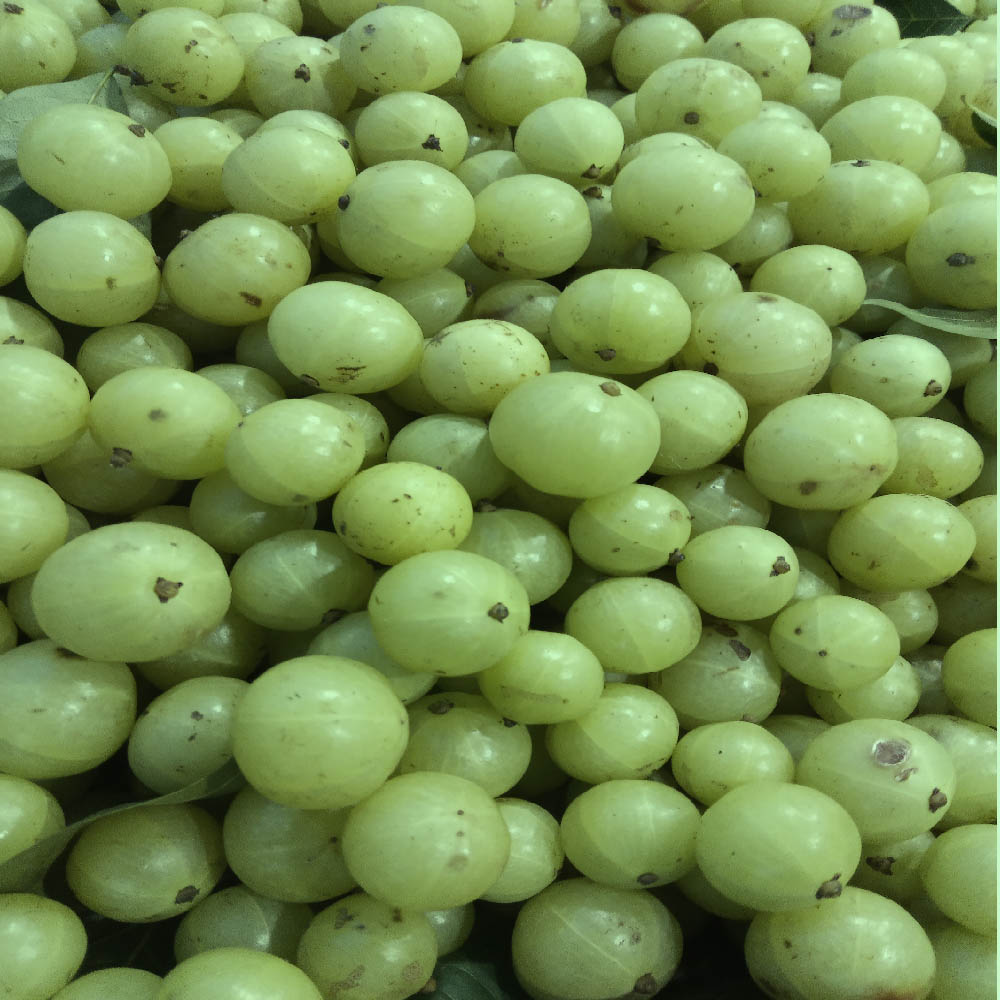
Amla supernatural fruit


Amla is the name of a well-known fruit in the world. 
The scientific name of this fruit of the genus Phyllanthaceae is Phyllanthus Emblica. It is a miracle that its fruits and leaves have many medicinal properties. Amla is extraordinary because they have supernatural qualities. It has been used in Ayurvedic (the traditional Hindu system of medicine) medicine since ancient times due to its versatile properties. It is popularly known as "Superfood" among health-conscious people. Many people take the benefits of Amla fruit in many ways because Amla can be used in different ways. Amla trees are found in many countries of the world including South America such as - India, Bangladesh,  Sri Lanka, China, Hong Kong, Indonesia, Philippines, Cambodia,  Laos, and Malaysia. It starts flowering in spring and ripens in winter. Basically December, January, February, March, and April is the month when most of these fruits are available in the fruit market. The color of the ripe fruit is also very nice "light green" and round in shape. Amla starts bearing fruits 4-5 years after planting in the region of Asia. 

Amla is broadly utilized for healthy living. Amla is a great source of antioxidants and vitamins and it's containing tannins. When polyphenols combine with tannins makes the fruit a free radical scavenger and thereby reduces the harmful free radicals in the cells and Improves immunity. The study has shown that Amla helps in improving skin health, helps in preventing aging, Amla is invaluable in removing acne scars as it accelerates the healing process of damaged tissues, keeps Amla in daily routine because - it creates tone by combating hyperpigmentation and strengthens skin. Deeply cleanses our skin and delays the onset of premature skin growth. Amla has a high fiber content to give good results in digestive energy, As a natural laxative, Amla juice should be taken before meals as its fiber content helps in the absorption of nutrients. Amla juice is very effective in creating strong metabolism and improving digestion. A pinch of white salt with a full glass of Amla juice including some pepper will increase the digestive power and keep you satiated for a long time. The antibacterial and astringent properties of Amla enhance immunity. Oxidative damage can or does cause significant problems in the body, including cancer. The body's cells use oxygen and expel harmful by-products of free radicals. Amla has strong antioxidants that can prevent it. Amla contains chromium which helps in lowering bad cholesterol and stimulates insulin production, which in turn lowers blood glucose levels in diabetic patients. Drinking Amla juice also helps to control the blood pressure level.  Amla is also famous for its specialty of taste because it has the aroma of a combination of sour, sweet and bitter. Amla is used to relieve bronchitis, cough and other respiratory ailments cause it helps remove sputum from the respiratory tract. There are several benefits to eating Amla on an empty stomach so many health-conscious people use it to lose weight.

This wonderful fruit is a very popular fruit of health-conscious people, its value is much higher in India, in India this fruit is known as gooseberry.

Fruits and Vegetables are natural

Creatures and humans require nourishment.
 Nourishment with oxygen is also fundamental. Ethnically, each Nation carries its possess convention of eating propensities as well. Fruits and Vegetables are a natural characteristic.  It's starting from nature, nature is persistently beginning to these in completely distinctive ways in various places, at different times. Allah has kept everything in nature as necessary for us and for the creatures he has created.  The seven colors of the rainbow These seven colors are exceptionally vital for our well being, natural products have the qualities of these seven colors. I am attending to share with everyone the expansion of vegetables. Benefits of fruits and vegetables. Which natural products are great in which portion of the world! accessible in which season! what are the benefits of natural products! how numerous minerals, vitamins, iron are containing in fruits and vegetables.  All sorts of natural products don't develop at the same time or within the same place, It's depending on the zone, time-bound, also depending on the climate. Presently the world communication has improved. From one place to the other in an awfully short time so it has gotten to be easy to acquaint. Nutritionists around the world are working on the genus and quality of grains, natural products, and blossoms in tenacious nature. From their innovations, we can know and appreciate the nutritional value. Enjoy the natural product and thanks to the creator who has created the awe-full nutritional product for us. 

The Smallest Fruit Jujube

Jujube Delight: Uncovering the Wonders of the World's Smallest Fruit


Jujube Delight

When it comes to fruits, size doesn't always dictate impact. Enter the jujube, a tiny fruit packed with flavor, nutrition, and cultural significance. Often overshadowed by its bigger counterparts, the jujube is making a name for itself as a superfruit worth celebrating. Let’s dive into the delightful world of this compact gem! 

A Brief Introduction to Jujube


Known botanically as Ziziphus jujuba, the jujube is a small, oval fruit that can range in color from bright green to deep red or even brown when fully ripened. Originating from Southeast Asia, this fruit has a rich history spanning thousands of years and has been cherished in various cultures for its health benefits and unique taste.

Nutritional Powerhouse

Despite its size, the jujube is a powerhouse of nutrition. Rich in vitamins A and C, antioxidants, and dietary fiber, this tiny fruit supports immune function, promotes healthy digestion, and may even help combat stress. It boasts a low-calorie count, making it an ideal snack for health-conscious individuals. Plus, jujube is known to have natural sedative properties, which can help improve sleep quality.

Culinary Versatility

The jujube’s versatile flavor profile is another reason to fall in love with this small fruit. Whether you enjoy it fresh, dried, or in jams and desserts, jujube adds a unique twist to a variety of dishes. In many Asian cuisines, jujube is used to create soothing teas, soups, and traditional herbal remedies. Its sweetness makes it a delightful addition to salads and smoothies, and it can even be incorporated into savory dishes for an unexpected burst of flavor.

Cultivation and Sustainability

Growing jujubes is relatively straightforward, making them an attractive option for home gardeners. The jujube tree is drought-resistant and can thrive in poor soil conditions. This resilience not only makes it an environmentally friendly choice but also means it requires less water compared to other fruit trees. As more people seek sustainable gardening practices, the jujube is poised to become a popular addition to home orchards.

 The Global Rise of the Jujube

Cultivation and Sustainability


Increasingly, jujubes are gaining popularity outside their native regions. These little fruits are becoming a trend in health food markets across the globe, driving interest in their cultivation and consumption. From health benefits to culinary creativity, the jujube is here to stay.

Conclusion

 The jujube may be the world's smallest fruit, but its significance is anything but minor. With its impressive nutritional profile, culinary flexibility, and environmental credentials, the jujube deserves a spot in the limelight. So, the next time you encounter this tiny treasure, dive in and savor the delightful flavors and benefits it brings. You won’t regret it! You might just find yourself wanting to incorporate this little berry into your everyday diet!


Unlock the Zesty Secrets: Discover the Incredible Health Benefits of Grapefruit!

Discover the Incredible Health Benefits of Grapefruit!

Grapefruit, a vibrant and tangy fruit, not only enlivens our taste buds but also packs a powerful punch when it comes to health benefits. With its bright, zesty flavor and refreshing juiciness, grapefruit is a delightful addition to any diet. Let’s explore the incredible health benefits that this citrus wonder holds!

Shaddock Picture

Nutrient-Rich Powerhouse

Grapefruit is low in calories yet high in essential nutrients. It is an excellent source of vitamins A and C, potassium, and dietary fiber. A single half of a grapefruit can provide an impressive 64% of your daily vitamin C needs, which helps boost your immune system, promotes skin health, and supports overall wellness. 


Weight Management Ally

If you’re looking to shed some pounds, grapefruit might be your new best friend. Studies have suggested that grapefruit can help with weight loss. Its high water content and fiber can help you feel full longer, reducing cravings and preventing overeating. Incorporating grapefruit into your meals may also help regulate insulin levels, making it easier to maintain a healthy weight.

Heart Health Guardian

The benefits of grapefruit extend to heart health as well. This citrus fruit is rich in antioxidants such as flavonoids, which have been linked to reduced cholesterol levels and improved cardiovascular health. Additionally, the potassium content in grapefruit helps manage blood pressure, contributing to overall heart health.

Immune System Booster

Thanks to its high vitamin C content, grapefruit is a natural immune-boosting fruit. Regular consumption can help fend off common illnesses and infections. The antioxidants in grapefruit also help combat oxidative stress in the body, further supporting immune function.

Hydration Hero

Staying hydrated is crucial for overall health, and grapefruit can aid in this area, too. With its high water content (about 90% water), it is an excellent choice for hydration. Hydration is essential for maintaining energy levels, skin health, and digestion.

Skin Savior

The nutrients found in grapefruit can work wonders for your skin. Vitamin C is renowned for its role in collagen production, which is vital for maintaining skin elasticity and youthfulness. Additionally, the antioxidants in grapefruit help combat skin damage caused by free radicals, keeping your skin healthy and radiant.

Diabetic Friendly

For those managing diabetes, grapefruits are a great option. Their low glycemic index helps to stabilize blood sugar levels. The fiber content also helps improve insulin sensitivity, making it a fruit that fits into diabetic meal plans.

Anti-Inflammatory Properties

Grapefruit has been found to have anti-inflammatory properties, which can aid in reducing the risk of chronic diseases related to inflammation. The antioxidants present in grapefruit can help mitigate inflammation in the body, promoting overall health.

Culinary Versatility

One of the best things about grapefruit is its versatility in the kitchen. It can be enjoyed in various ways—from fresh segments added to salads to juice blends, smoothies, or even as a light dessert with a sprinkle of mint. Its tartness pairs well with both savory and sweet dishes, making it a fantastic choice for creative culinary exploration.

Conclusion

  Grapefruit is more than just a tasty fruit; it’s a nutritional powerhouse that offers a wide range of health benefits. From supporting weight management and heart health to boosting your immune system and improving skin vitality, grapefruit deserves a regular spot in your diet. So why not unlock the zesty secrets of grapefruit and enjoy the fantastic health perks it brings? Whether you savor it fresh, juiced, or as part of a dish, indulge in this delightful fruit and reap its numerous benefits!

Orange

It is one of the seasonal citrus fruit, round or oval in shape, diameter ranges from 5.7 to 9.5 cm, greenish yellow to orange in color and tightly skinned, the internal part is known by the name of pulp, which is divided into several individual segments, contains the actual pulp and the juicy fruit. The delicious yielding juicy fruit belongs to the genus citrus, the other famous members of which include the lemon, lime and grapefruit. The scientific name of the sweet variety of orange is (Citrus cinensis L.Osbeck). The round-shaped fruit, immensely rich in vitamins and minerals, is one of the favorite fruits of the world. The name of the fruit is most probably consequent from the local Komola labu (Bengali), Telugu Naringa (India), after moving through different languages such as Armenian, Latin, Arabic, Spanish, Portuguese, Italian, Persian, and French, then ultimately become orange in English.


Originated:

The low calories citrus fruit orange fruit is imaginary to have originated in Southeast Asia. The history of fruit shown that, it was grown in the orchards of China by the beginning of the 1st century millennium. The orange plant is supposed to be a native of Southeast Asia, mainly in Bangladesh and India. This dates back nearly 6000 years a long time. Different varieties were grown in the regions of both countries. Now, the dignity grew fond of this pleasant colorful citrus fruit, which gave climb to a growing competition surrounded by cultivators to produce larger and tastier oranges in order to delight them.

It became quite popular among the dignity and nobility modules of the territory. The orange grows in North Africa. Soon, the South American country, Brazil, is the leading producer of oranges the accounts for almost half of the world's total production of oranges. Citrus is one of the foremost vital fruit crops developed all throughout the world.

Eating benefit:

I like fruits very much and also like to share with others around the world. Nowadays, they are of the most preferred fruits of the world for the excellent flavor that it imparts, not only for its great taste but also for its nutritional value. It is a rich source of vitamin C, folic acid, vitamin B6, dietary fiber and pectin. Besides, it also contains a significant amount of minerals like potassium salt, calcium, phosphorus, magnesium, copper, etc. It does not contain harmful cholesterol and fats. It can be of incalculable help in many kind of disease like high blood pressure, hardening of arteries, constipation, heart disease and stomach ulcer. It’s protecting the body from harmful free radicals.

The regular consumption of this nutritious delicious juicy fruit will definitely help you to remain healthy and fit. The orange is proven health benefits and established scientifically by virtue of their richness in vitamins and minerals. Nutrients in oranges are bountiful and varied. It contains no saturated fats or cholesterol, but is rich in dietary fiber. An excellent source of vitamin C (provides 53.2 mg per 100 g) Oranges also contain very good levels of vitamin A, Vitamin A is also required for maintaining healthy mucus casings and skin and is important for visualization. It is also a very good source of B-complex vitamins such as thiamine, pyridoxine. Orange fruit also contains a very good amount of minerals like potassium and calcium. Potassium is an important component of cell and body fluids that helps control heart rate and blood pressure through countering sodium actions.

Advantage:

The regular consumption of this juicy fruit will definitely maintain you healthy and fit.


The Star Fruit


The study shows that Consumption of fruits and vegetables is vital for a diversified and nutritious diet. So I am going to write about Star fruit. The star fruit is a tropical fruit. The local name of the Star fruit is Kamranga, and the scientific name is Averrhoa carambola L. In Asian countries, the star fruit has many different names: bilimbi, belimbing, Chinese star fruit, Five-angled fruit, five fingers, and the star apple. The term star fruit, however, is the most popular name, which is derived from the fact that each slice of the fruit resembles a five-pointed star. It is common in the south of Asia, Australia, and around the entire island around the world. The fruit that grows on trees is native to India, Indonesia, Sri Lanka, and also grows in Bangladesh, mainly in Barisal, and is gaining popularity in other parts of the country.

Fruit:   The star fruit is non-seasonal and produces 3 to 4 crops each year. Fruits are 2 to 6 inches in length with 5 prominent longitudinal ribs; star-shaped in cross-section. The star fruit (KAMRANGA) has five lobes covered in an edible, waxy yellow skin, so it’s called star fruit. The flavor of the yellow flesh is reminiscent of citrus fruit and varies from quite sour to mildly sweet, depending on variety. I found the range in taste from pleasantly tart and sour to slightly sweet, with a complicated flavor combination that includes plum, pineapple, and lemon. It does contain some dark or black seeds in the center.


Tree:    

The tree of star fruit (KAMRANGA), a member of the Oxalis family, grows on a bushy tree 25 to 30 feet high with a spread of 20 to 25 feet. Evergreen, single, or Multi-Trucked.  Trees grow rapidly in locations protected from strong winds. The leaves are sensitive to touch and light. The leaflets are 0.5 to 3.5 inches long and 0.4 to 1.8 inches wide. The KAMRANGA flowers are borne on panicles on twigs, small-diameter branches. Flowers are perfect; flowers have either a long or short style, depending upon the cultivar. Small pink to lavender in color, and have five petals and sepals.


Eating benefits:    

The star fruit is a great source of vitamin C, A, Iron, and Potassium, as well as plenty of trace Minerals to satisfy and non-negligible amounts of Calcium, Phosphorus, Carotene, Thiamine, Riboflavin, Niacin, to the amino acids Tryptophan, Methionine, and Lysine. The star fruit is a fleshy, juicy fruit with a texture that is almost citrus, though it has also been compared to plum or Guava fruit. The flavor, like that of an apple, ranges from tart to sweet depending on which variety you sample. An average-sized star fruit has 40 calories, 5 of those from fat. It has 10 grams of carbohydrates, 15% of the daily requirements of vitamin A, and 45% of the daily requirements of vitamin C.

The Guava Fruit

Guava Fruit

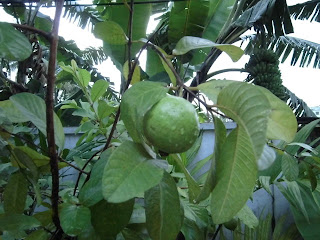
Any fruit is good fruit. Guava is also is a good fruit its scientific name is Psidium Guajava. It is one of the most common fruits in tropical and sub-tropical regions of the world. It can be used as an important resource for local communities with potential for commercialization, boosting food and nutritional security. In rural areas, Guava is used to supplement the daily diet or substitute exotic fruits. The Guava fruits are can be used in both by processing and fresh consumption. This crop fruits are have broad of applications to life research of science, Bio-Pharmaceuticals and drug discovery production.


Fruit

In Asian type of Guava fruits containing large greenish skin With flesh mild flavor and low quantity of seeds. The Guava is a sweet, fragrant tropical fruit ranges in size from a small egg-size to that of a medium apple. To eat raw, guavas should be very ripe. They make excellent jams, sauces and preserves.

Tree

The Guava tree as a low evergreen tree or shrub 6 to 25 feet high, with wide spread branches and downy twigs. The branches are very strong and highly tolerant to high winds. The leaves are elliptical or blunt and oval 3-6 inches long and feather-veined. The flowers are an inch or more across, the calyx bell-shaped and splitting irregularly, the 4 to 6 petals are white and the stamens are white with yellow anthers. The tree begins to bear fruit within 2 years of planting and continues to bear fruit for 8-9 years, yielding at least 500 to 1000 fruits per year.  It is very popular fruit in Bangladesh. The popular varieties are Kanchannagar, Swaroopkathi, Kajipeyara, Mukondapuri, bari Guava.

Eating benefit

It can be used as an important resource for local communities with potential for boosting food and nutritional security. In rural areas, Guava is used to supplement the daily diet or substitute exotic fruits. Guava fruit can be eaten raw or ripe, fresh and processed. Generally all the parts of a fruit and all fruits have not equal amounts of edible part. Within the comparative consider of the vitamin C substance in different natural produnts and vegetables, the percent of eatable parts of those must too be considered.

The health benefits of Guava fruit include treatment of high blood pressure, skin care, cough, cold, diarrhea, dysentery, constipation, scurvy, weight loss etc. Many of us have enjoyed the gift of nature's delicious fruit. Guava helps control diabetes, protect prostrate, its Lypocene reduce the risk of cancer, bacterial infections. Guava seeds contain some polyunsaturated fatty acids which are useful for the treatment of excess cholesterol. The guava fruit is advisable for people to eat for good health.


A list nutrient of Guava fruit in each 100gm edible portion

Mineral (gm)               0.7

Starch (gm)                 11.2

Energy (Calorie)          51

Calcium (mg)              10

Phosphorus (mg)         28

Iron (mg)                     104

Vitamin B1 (mg)         0.03    

Vitamin C (mg)           210


The Coconut


The name Coconut first comes to English in 1555 from the Spanish and Portuguese words cocoa. The scientific name of this fruit from the nut family is " Cocos nucifera Linn ".

Details of the origin of coconut tree or its early distribution are rarely known, but it can be said that it was widely used in the tropics a few thousand years ago. The fruit-bearing palms are natives in India, Malaysia, Polynesia, Thailand all over the South Asia and now also prolific in South America, Hawaii, Florida and the pacific Island pacific.

Coconut is the most widely used nut in almost all nations of the world and a very important variety of palm. It is an essential commercial crop in Different tropical countries. The Coconut fruit has numerous nourishment uses for its water, meat, milk, oil and sugar. It moreover capacities as its possess dish and mugs.

    There are a few diverse ways to appreciate fresh coconuts which can be mature and youthful. Young coconuts have either a white husk and a green shell on the off chance that the external shell has been evacuated whereas mature coconuts are the more recognizable looking bushy assortment, brown.

The supplements and physical characteristics alter as a coconut develops. Mature coconuts have firm meat and less water and a young coconuts have more water and soft gel like meat. The coconut palm tree with light grayish brown trunk, columnar, smooth and topped with a terminal crown of leaves. The height of the tree 80 to 100 feet, its near about up to 18 feet long and 6 feet wide. the pinnate leaves are feather-shaped, The stalks of leaf are about 3-5 feet in length. The coconut palm blooms flowers approximately within or after sixth year. Blooms are little, light yellow and in clusters which develop from canoe-shaped sheaths among the leaves. The fruit takes almost 300 to 360 days to mature. The varieties of yellow color coconut obviously goes to brown.

Coconut water contains an assortment of supplements counting vitamins, minerals, cancer prevention agents, amino acids, chemicals development variables and other supplements. Water of Coconut may be a great source of the major minerals like as magnesium, potassium and calcium. Young coconut water is one of the best and highest source of electrolytes for human and can be used to prevent dehydration to instance strenuous exercise or in cases of  diarrhea. Coconut water contains a helpful on the urinary and regenerative frameworks. It is detailed to clear up bladder diseases, progress sexual vitality and evacuate kidney stones.

Many of the health advantage ascribed to coconut water can be followed to its mineral substance. Assume:- Coconut water progresses blood circulation, the minerals, magnesium and potassium are all known to assist decrease high blood pressure. A few of the foremost curiously components of coconut water are the plant development hormones, especially cytokinins. Cytokinins are a bunch of hormones that control development, improvement and aging. Coconut water is generally moo in sodium so including a little bit or white salt to your drink.

Now about the coconut milk benefits – it will maintain your health’s immune system, maintain blood sugar, bringing down high blood pressure and its keep your skin and blood vessels flexible elastic, building strong bones, relaxes your muscles and nerves, diminishes the chance of joint inflammation, avoid anemia promotes the health of prostate organ.


Papaya for good health

Papaya tree

We all know that fruits are really good for our health. The papaya is one of the favorite of natural product lovers for its dietary, stomach related and therapeutic properties all through the world. This papaya is known as the fruit of Christopher Columbus Angels. Its Botanical title Carica Papaya Linn.

    As ripe papaya is sweet and delicious, it is a very popular fruit for all ages in the family. Due to its versatile medicinal properties, papaya is considered as a nutraceutical fruit. Everybody knows that it is much simpler for the body to handle or assimilate vitamins and minerals. 
History appeared Papaya is local to tropical America. Topographical dispersion development of Papaya is done nearly in all parts of world.  It is now cultivated in almost all tropical regions of the world. It is inborn to tropical America and developed on huge scale, in South Africa, Europe, Hawaii, Florida, Philippines, Tanzania, Australia, Bangladesh, India and Sri Lanka.

    Papaya tree is fundamentally short lived tree. Papaya plants happen in one of three sexual shapes female, male and hermaphrodite. These are expressed within the plant’s blossom. (a) The female blossom does not form natural product unless pollinated. (b) The Male blooms have no ovary and don't create a natural product. (c) The Hermaphrodite contains both ovum and pollen tube and self-fertile. study show they does not form natural product but sometime its by done nature. Papaya tree produce many circular natural products that can have around 5-50 cm in length and 10-30 cm in diameter. The normal sized papaya weighs approximately a pound. The fruits are green when raw and turn light yellow or red when ripe. The natural product are huge oval in shape and in some cases called pepo- like berries, since they resemble melon by having a central seed depth. The fleshy part around the central seed cavity is large. Fruits are borne axillaries on broad stem, commonly single but in some cases in small clusters. It takes 140-200 days to mature depending on the temperature. 

    The papaya convincing people for her countless benefits since 100 years or more then. From ancient times the juice of the leaves, bark, roots and ripe or raw fruits of the papaya tree have been used as a medicine for physical ailments. The seeds extricate and papain protein empower has anti-fungal action. illustrated in-vitro anti-amoebic actions by the papaya seeds. There are two important compounds that help digestion such as- Papain and Chymopapain. A Huge of biological active compounds are contained to the carica Papaya. Papaya fruit is a good source of folate, fiber and vitamin A,C,E and K, It is in low sodium, cholesterol free as well as fat free. A one pound weighted papaya has contained about 70-80 calories.

In advantage of Papaya fruit -  fresh fruit, medicine, Papaya milk, pies, Jams, Jellies, Juice, Ice-Cream, skin smoother Soap, snacks and so on.


The seasonal fruit Blackberry

Black Berry

The seasonal fruit Blackberry

Fruits and vegetables are important for the daily diet. I’ve studied about Indian Blackberry and tried to write and share with others; The Blackberry’s scientific name: Syzygium cumini, the popular names are kalojam in Bengali,  Jam, Jambul, Jamun, Jamlang, black plum, java plum, Indian Blackberry, etc. Native countries of the fruit are Bangladesh, India, Pakistan, Nepal, and Indonesia. It’s also grown in Myanmar, Brazil, Suriname, and Afghanistan. It’s the popular seasonal tropical fruit in Bangladesh. The taste of this ripe fruit is sweet and mildly sour, making it a very delicious fruit diet, especially during the summer season, and contains and large percentage of natural minerals which are beneficial for health. After eating fresh fruit pelage the mouth and the tongue have a profound purple color that remains for a couple of hours. 

The leaves of the tree are smooth and shiny with the smell of turpentine oil. The other side of the leaf is leathery and shiny too; it is approximately 6-12 centimeters long.  Somewhere, its leaves are used to make toothpaste. Towards the end of March, small fragrant buds begin to appear. The fragrant, sweet flowers of white color are actually said to be the source of honey; the scent of these sweet flowers attracts bees and collects honey from the flowers. The buds are white, then gradually turn green, and then pink. When mature, its color changes and takes on a natural black color. This fruit ripens in May and June. One fruit contains one seed. The color of the seeds is light green, with a soft, sweet taste of light pink in the middle of the seeds and bark. The bark, leaves, seeds, and fruits of the blackberry tree are rich in medicinal properties. 

Black Berry Flower
About 20-25 meters tall, this tree grows well in tropical and sub-tropical areas, locally in backyards, almost all over Asia. The age of the tree can be 30-100 years. Dense branches and broad leaves provide shade over a large area under the tree. The wood of the blackberry tree is very hard and water-resistant, so it is highly valued as wood. This wood is used in agricultural implements, bullock cart wheels, boats, rail slippers, various types of furniture, roofs or walls of houses, etc. 

Many of its qualities are found in the detailed discussion of the berry fruit. Firstly, the fresh ripe taste and aroma of seasonal blackberries are a little different than other fruits. Blackberry has significant hypoglycemic activity in both the urine and blood. The fruits generally increase digestive power and activate the liver and spleen. Purifies blood, cures anemia, recovers iron deficiency, regulates heartbeat beat and stops skin eruptions. It's a good remedy for urinary diseases, diabetes, and also relieves gas. The ripe Blackberry contains Vitamin A and C, Water, calcium, iron, phosphorus, sodium, potassium, manganese, folic acid, nicotinic acid, zinc, and glucose.

DO NOT drink fresh milk after eating the Blackberry.